


 Select your city
 Login
 Select your city Login



 31 Oct 26
 by Shahid Iqbal
 0 Comments
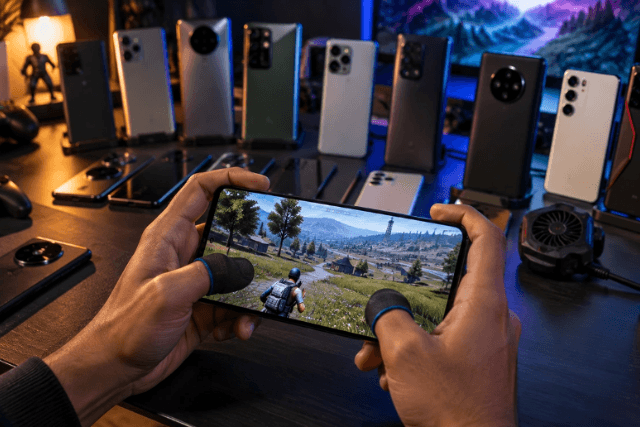
A reliable 120 fps BGMI phone can change your gameplay in 2026. Krafton's update now delivers smooth performance on certified 120 fps phones.
We tested dozens of handsets to create this BGMI 120 fps supported devices list. Our tests covered native support, sustained frame rates, and cooling during actual matches. A true 120 fps gaming phone requires a 120Hz display, a Snapdragon 8 Gen 2 or newer chipset, 8GB of RAM, and Krafton certification. Whether you need a budget gaming phone or a premium flagship, our results show which BGMI 120 fps supported devices perform well in India.
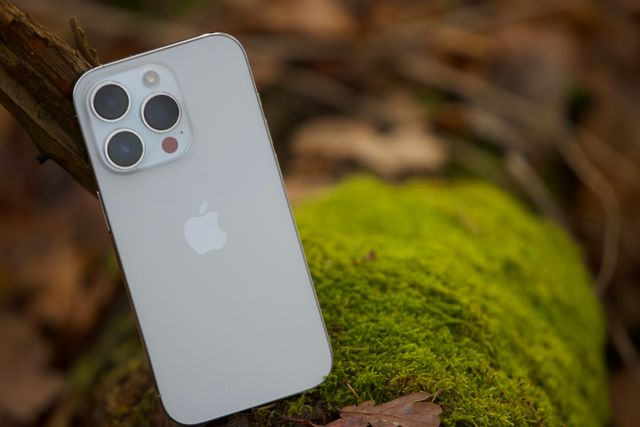
I ranked the iPhone 15 Pro Max first on my 120 FPS BGMI phone list because Apple's A17 Pro chip introduced the industry's first 3-nanometre silicon in a smartphone. It also features a redesigned 6-core GPU and hardware-accelerated ray tracing that runs four times faster than software-based rendering. This combination gives the phone enough headroom to sustain high-refresh BGMI sessions, which was exactly what I wanted to test.
At the time Krafton released the BGMI 3.6 update, it confirmed the iPhone 15 series among the BGMI 120 FPS supported devices. I found that only the Pro and Pro Max models unlock 120Hz gameplay, while the standard and Plus variants remain capped at 60Hz. The iPhone 15 Pro Max has a 6.7-inch Super Retina XDR display with ProMotion up to 120Hz and 2,000 nits of peak outdoor brightness. After updating the game, I confirmed that Extreme+ (120 FPS) appears in Graphics Settings.
The phone maintained stable frame rates during extended matches, but I noticed the heating concerns reviewers reported after launch. Apple acknowledged those issues before releasing a software fix. Extreme+ mode consumes more power, with 20 to 30 percent faster battery drain and slightly warmer surface temperatures during longer sessions. The phone can reach up to 50 percent charge in about 30 minutes with a 20W adapter. Apple rates it for up to 29 hours of video playback or 25 hours of streaming. One long-term review also found that the handset still delivered stable BGMI FPS after 900 days of use.
Apple launched the iPhone 15 Pro Max in India on 22 September 2023. The 256GB model started at INR 1,59,900, while the 1TB version cost INR 1,99,900. Flipkart currently lists the 512GB Black Titanium model at about INR 1,79,900, though availability varies by colour. Buyers with a lower budget can find refurbished units on platforms such as Cashify from around INR 72,899, including a six-month warranty.
The titanium frame makes this Pro model lighter than its predecessor, and the A17 Pro chip improves efficiency. Charging speeds still fall behind rival Android flagships, while the price remains high for users upgrading from an iPhone 14 Pro Max.
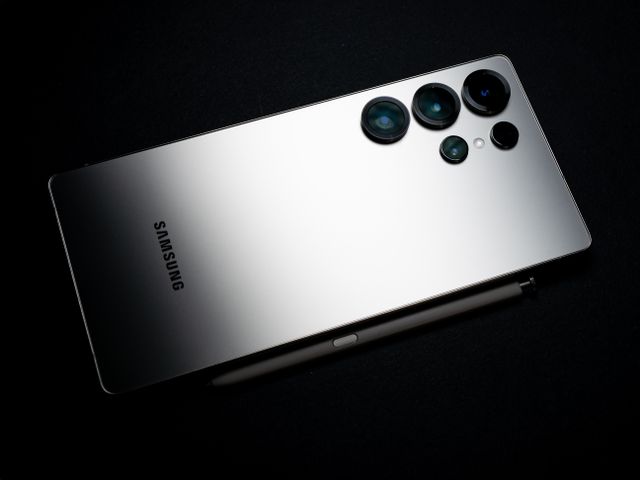
The Samsung Galaxy S24 Ultra ranks second on my list. Testing it with the iPhone made the Snapdragon 8 Gen 3 chipset's gaming focus clear right away.
The S24 Ultra has a 6.8-inch Dynamic AMOLED 2X display with a QHD+ resolution of 3120 x 1440 pixels, a 120Hz maximum refresh rate, and peak brightness of up to 2600 nits. Its Snapdragon 8 Gen 3 octa-core processor clocks up to 3.39GHz, which gives BGMI enough headroom to move beyond 90fps and reach 120fps once Krafton's graphics menu is unlocked. I ran a dedicated 120fps BGMI test on this handset, and the frame counter stayed stable across multiple matches without visible drops.
My one-hour heating and battery test showed that the phone's temperature rose gradually but stayed within usable limits for most of the session. I also compared it with the iQOO 13 through an on-screen FPS metre. Both phones handled 120fps BGMI well, but the S24 Ultra ran slightly warmer under extended load. Several owners have reported similar results. Video calls and demanding gaming sessions can cause noticeable heating, and one buyer reported repeated overheating on two units. Battery feedback is mixed. Some users praise the 5000mAh cell's all-day stamina, while others point to slower charging speeds.
Flipkart lists the Titanium Black 256GB plus 12GB RAM variant at an MRP of ₹1,34,999. Its discounted price is ₹1,19,999, which falls to ₹1,14,999 after applicable offers, with bank discounts of ₹5,000 also available. Buyers can choose Titanium Grey, Violet, Blue, Green, or an Orange special colour that is exclusive to Samsung's store.
The titanium frame and built-in S Pen add premium value, and several reviewers describe the gameplay as lag-free with sharp graphics. Its 232-gram weight and lack of an SD card slot are practical trade-offs during long gaming sessions.
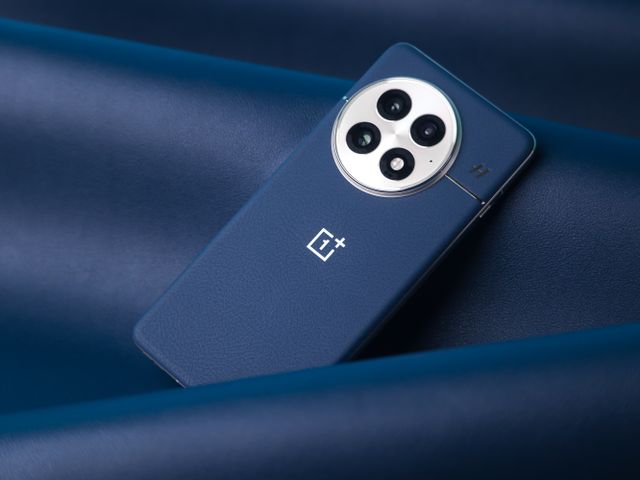
Further down my 120 FPS BGMI phone list, the OnePlus 13 stands out with its Snapdragon 8 Elite chipset and a cooling system designed with BGMI in mind.
Krafton's 3.6 update confirmed the full OnePlus 13 Series among BGMI's 120 FPS-supported devices. Its 2K ProXDR display runs at 120Hz and uses Zero-Latency Frame Interpolation to prevent the stutter that can appear during quick camera pans. The Snapdragon 8 Elite powers the phone with Qualcomm's Oryon CPU, offering a 40% increase in Adreno GPU performance and 45% faster CPU throughput than the previous generation. AnTuTu measures also showed a 49.61% performance increase over the OnePlus 12. Indian buyers should check the exact model before purchase. A community forum post stated that the OnePlus 13R, rather than the standard 13, remained limited to 60 FPS in BGMI despite its Snapdragon 8 Gen 2 chip and 120Hz display.
The phone's 2nd-generation Cryo-Velocity Cooling System combines its largest vapour chamber yet with dual-layer Super Graphite to control heat during long raids. A side-by-side video test compared it with the iQOO 13 through a full hour of BGMI at 120 FPS and tracked heat levels with battery drain. One owner said they played for three straight hours at medium graphics and 120 FPS, using only 35 to 40 percent battery without a lag spike. The 6,000mAh Silicon NanoStack battery supports 100W wired charging and reaches full capacity in 27 minutes. The 50W AirVOOC wireless charger takes it from 20 to 100 percent in about an hour.
OnePlus offers the 13 in three configurations through its website, Amazon, Flipkart, and retail partners such as Croma and Reliance Digital:
Exchange bonuses and bank discounts can bring the base model's effective price down to ₹39,999. Flipkart also lists the 512GB Black Eclipse model at ₹69,349.
Reviewers highlight its long battery life, IP68/IP69 durability, and fast charging. Reddit users agree, describing it as smooth and efficient rather than a dedicated gaming phone. Still, some community members reported persistent lag on their units, which buyers should consider before purchasing.

The OnePlus 12 sits right behind the OnePlus 13. I tested this handset extensively to assess how well it works as a 120fps gaming phone a year after launch.
Krafton confirmed that the full OnePlus 12 Series supports BGMI at 120fps after the 3.6 update rolled out. Its Snapdragon 8 Gen 3 chipset powers a 120Hz display, but 91mobiles found that the OnePlus 12 usually stayed at 60fps during BGMI sessions. Under similar settings, the iQOO 12 delivered noticeably smoother frame rates. OnePlus also added Adaptive Frame Rate, a frame interpolation feature that inserts artificial frames to raise output from 60fps toward 120fps.
Digital Trends used GameBench to test several games. Call of Duty Mobile reached a 120fps median for 83% of frames, while CPU usage stayed at 12% and GPU usage reached 65%. Genshin Impact maintained a 60fps median for 97% of frames, and the phone’s skin temperature peaked at 35 degrees Celsius during an hour-long session. Real Racing 3 achieved a 60fps median while using just 4% CPU and 41% GPU.
Reddit users reported a different experience in competitive matches. One user said frame rates fell from 75 to 80fps to 50fps during intense fights. Even with Performance Mode and maximum settings enabled, the 5,400mAh battery lasted about 12 hours of heavy gaming.
OnePlus launched the 12 series at ₹56,999, then raised the starting price to ₹64,999 after adding wireless charging and a larger battery. The reviewed 16GB RAM and 512GB storage model cost ₹69,999, while the base version offered 12GB LPDDR5X RAM and 256GB UFS 4.0 storage. The phone supports 100W wired charging and reaches full capacity in 35 minutes. It also supports 50W AirVOOC wireless charging.
The display and stereo speakers are strong points, while the battery life and 100W charging stand out. The ultra-wide camera still needs improvement, though. The phone is also thicker at 9.15mm, up from 8.53mm, and its curved screen can cause accidental touches during gaming.

The OnePlus 11 makes this 120 FPS BGMI phone list for a different reason. Its hardware qualifies, but Krafton has yet to grant it access.
Several OnePlus community threads confirm that BGMI limits this handset to 90 FPS, even though the Snapdragon 8 Gen 2 chipset can run PUBG Mobile at 120fps on the same device. One frustrated owner noted that the cheaper mid-range OnePlus 11R already supports Extreme+ mode, while the more expensive flagship remains locked out.
Reddit threads from April 2025 reflect the same complaint. One reply stated that Krafton had acknowledged the issue and promised a fix in an upcoming BGMI update. The phone meets Krafton’s usual requirements, with a 120Hz Super Fluid AMOLED display featuring LTPO technology, 1000Hz touch sampling, and the same Adreno 740 GPU used in certified rivals.
OnePlus equipped the 11 with Cryo-velocity VC cooling. This system pairs a 3685mm² crystalline-graphene layer around the display with a 5673mm² vapour chamber, which was the series’ largest at launch.
GSMArena’s testing showed that the OnePlus 11 delivered stronger sustained performance under load and kept surface temperatures lower than the previous 10 Pro. CNET’s battery test found that one hour of YouTube streaming at maximum brightness and 120Hz reduced the 5000mAh battery to 92%. Another hour brought it down to 85%, while 30 minutes of Genshin Impact at maximum settings used about 10%. The 100W SUPERVOOC charger takes the battery from 1 to 100% in 25 minutes.
OnePlus India lists three official configurations:
CNET described the gaming performance as incredible and praised the hyper-fast charging and five years of security support. BGMI’s refusal to enable 120fps remains the biggest problem, especially since newer OnePlus phones no longer face this limitation.
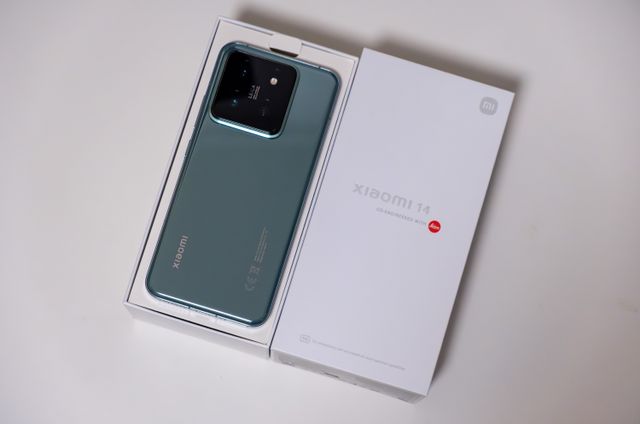
Sixth on my 120 FPS BGMI phone list is the Xiaomi 14. Its Snapdragon 8 Gen 3 chipset and IceLoop cooling system stood out during testing.
Krafton added the full Xiaomi 14 Series to its confirmed BGMI 120 FPS supported devices list after the 3.6 update rolled out. The phone's 6.36-inch AMOLED display has a 1.5K resolution of 2670 x 1200 pixels at 460ppi. Its LTPO panel changes between 1Hz and 120Hz based on the content.
The Snapdragon 8 Gen 3 powers the display. Built on a 4nm process, it uses a new 1+5+2 CPU architecture that improves processing performance by 32% and GPU output by 34% over the previous Snapdragon 8 Gen 2 generation. These figures explain why this 120 FPS gaming phone easily meets Krafton's Extreme+ requirement and goes beyond the limit for BGMI 90 FPS support devices.
Xiaomi claims its IceLoop cooling system offers three times the thermal efficiency of a standard vapour chamber. The review unit scored 1,982,613 in the AnTuTu standard.
A dedicated gaming stress test showed 7% battery drain and 32.7% heating after only 30 minutes of continuous play. These results are on the higher side compared with rivals in the same price range. GSMArena's review also noted that the Xiaomi 14 throttled substantially under sustained load, which may affect longer BGMI sessions.
The 4610mAh battery reaches 100% in 31 minutes with 90W HyperCharge. It takes 46 minutes with 50W wireless charging, and the phone also supports reverse wireless charging.
Xiaomi sells the 14 in India in one 12GB+512GB configuration. Amazon currently lists this version at ₹58,399. Flipkart lists the same configuration at ₹79,999, though discounts reduce the price to ₹75,999. Gadgets360 recorded separate prices of ₹59,999 for Black and ₹69,999 for Jade Green.
Reviewers praise the compact design, Leica cameras, and fast charging options. Bloatware and throttling during demanding gaming sessions remain key trade-offs to consider before buying.
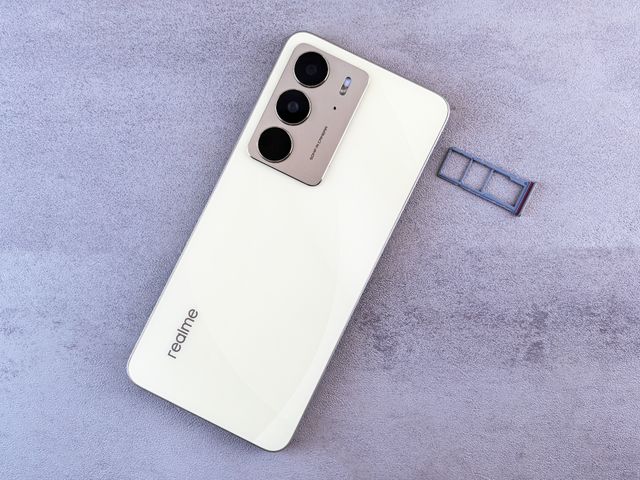
The Realme GT 6 is a cautionary example for Indian buyers chasing the best budget gaming phone label. Its hardware looks strong on paper, but BGMI compatibility issues remain.
The GT 6 runs on the Snapdragon 8s Gen 3 chipset, built on TSMC's 4nm process. It has an AnTuTu score above 1,650,000, while independent testing recorded 1,554,993 on AnTuTu, plus Geekbench scores of 1,986 single-core and 5,145 multi-core. Even after BGMI's 3.8 update, the phone cannot access Extreme or Ultra 120 FPS mode.
One owner who paid ₹45,000 raised the issue with Realme. They noted that the Nothing Phone 2a, which costs under ₹20,000, already runs BGMI at 120fps. The GT 6T has the same limitation. Although it uses a Snapdragon 7+ Gen 3 chip and a similar 120Hz AMOLED panel, it remains capped at 90 FPS. Both phones fall under BGMI 90 FPS support devices instead of the certified 120 FPS tier.
Realme's 10,014mm² dual vapour chamber and 9-layer cooling system reached 47.9°C in its tests. A rival Galaxy S24+ reached 54.1°C with its smaller 3264mm² VC. Smartprix also found that the phone maintained 60fps on Smooth graphics for 30 minutes. Ultra HDR reduced performance to 40fps, while the temperature increased by only 6 degrees.
The 5,500mAh battery provides 8 hours of gaming and 434 hours of standby time. It also delivers roughly 7 hours and 10 minutes of mixed ground usage. Realme's 120W charger restores the battery from 0 to 50% in 10 minutes and fully charges it in about 32 minutes.
Realme launched the GT 6 at ₹40,999 for the 8GB+256GB model. The 16GB+512GB version cost ₹44,999. Buyers could purchase it through Realme's website and Flipkart, with launch offers such as ₹4,000 bank discounts.
Flipkart now lists the Fluid Silver variant with 16GB RAM and 512GB storage at ₹32,999. That price reflects a 37% reduction from ₹51,999.
GSMArena describes the GT 6 as a flagship killer because of its bright LTPO display, battery life, fast charging, and built-in IR blaster. Both reviews also point out weak selfie and ultrawide cameras, while the phone's build attracts smudges easily.
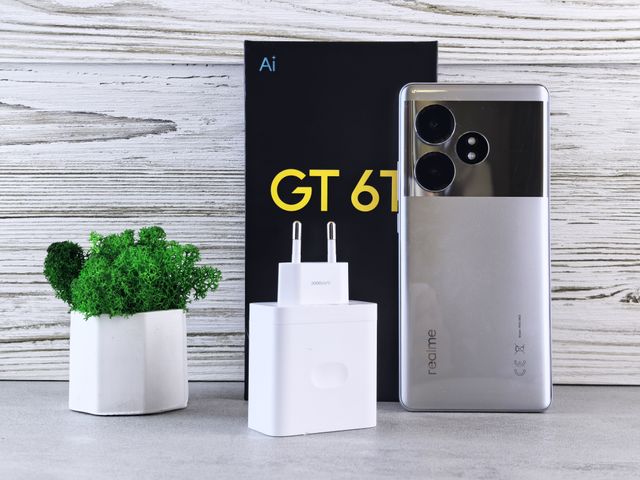
Realme fixed the GT 6's shortcomings with the GT 7 Pro's India-first Snapdragon 8 Elite chipset and 2+6 Oryon CPU.
Realme's AI Gaming Super Frame takes BGMI beyond the 90fps ceiling and delivers true 120 FPS. AI Gaming Super Resolution also scales visuals up to 1.5K. Realme's testing recorded a 119.7 fps average during extended Battle Royale sessions. Another test maintained stable frame rates with 38 enemies rendered on Erangel, with no heating or lag.
The 11,480mm² Iceberg Dual VC cooling system kept temperatures between 40.5°C and 42°C under load. Independent AnTuTu testing recorded 2.62 million, compared with Realme's claimed 3 million. GT mode reduced scores and battery life without improving performance. A 30-minute BGMI session at 90fps on Smooth graphics had no frame drops. Ultra HDR at 40fps also remained smooth. The 5,800mAh Titan battery reaches 50% in 11 minutes and charges fully in 30 minutes with 120W wired charging.
Realme launched the GT 7 Pro in India at ₹59,999 for the base 12GB+256GB configuration.
GSMArena rates it ahead of rivals for battery life and display brightness, although the Xiaomi 14T Pro handles high-frame-rate games slightly better. Camera performance remains its weak point against true flagships.
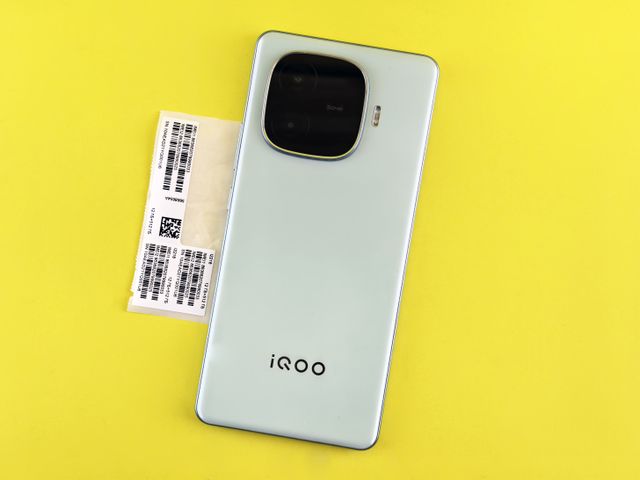
The iQOO 12 ranks ninth on this bgmi 120 fps supported devices list. It features the Snapdragon 8 Gen 3 and Q1 Supercomputing chip, with a 6.78-inch 144Hz LTPO AMOLED display that reaches 3000 nits peak brightness.
Krafton's BGMI Update 3.5 enabled 120 FPS for the iQOO 12. Players can find the setting in Settings under Graphics by setting Frame Rate to Ultra Extreme. iQOO's Game Frame Interpolation feature can raise output to 144 FPS in supported titles, which exceeds standard BGMI 90 FPS support devices.
The 6K vapour chamber is 40% larger than the previous generation. It works with a four-zone cooling layout that cools the thumb-grip area and bezel during long raids. The 5000mAh battery retains 80% capacity after 1600 charge cycles, while the 120W FlashCharge kit charges the phone faster between matches.
iQOO sells the 12 through its official India storefront and major retail partners.
Reviewers point to the cooling system and UFS 4.0 storage as key gaming benefits. The storage can copy an 8GB file in just 20 seconds.
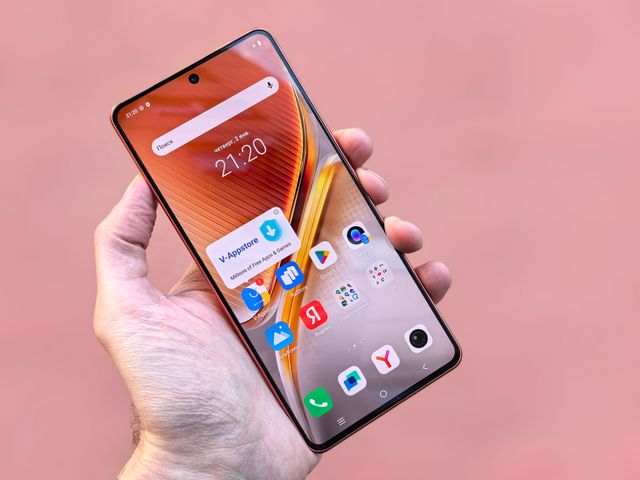
My testing of the iQOO 13 showed a split personality that Indian BGMI players should understand before buying it.
A community thread from March 2025 reported that the frame rate was locked to 90 FPS, and sometimes 60 FPS, unless Monster Mode was turned on. My testing nine months later showed no such restriction. TDM maintained a stable 120 FPS, while drop zones with 30+ enemies still reached 115-120 FPS. The Supercomputing Chip Q2 also supports 144fps frame interpolation, which provides smoother output beyond standard refresh limits.
The 7000mm² vapour chamber kept temperatures under control during a half-hour session, with no overheating reported. 91mobiles recorded 13 hours in the PCMark battery test. The 120W charger raised the battery from 20 to 100% in 38 minutes.
iQOO lists the 13 at ₹54,999 (effective ₹51,999) for the 12GB+256GB model, while the 16GB+512GB version costs ₹59,999 (₹56,999). Flipkart lists the Green variant at ₹58,749.
GSMArena praised its exceptional battery life and the market's most powerful chip. Nighttime camera performance and the lack of eSIM support remain drawbacks.
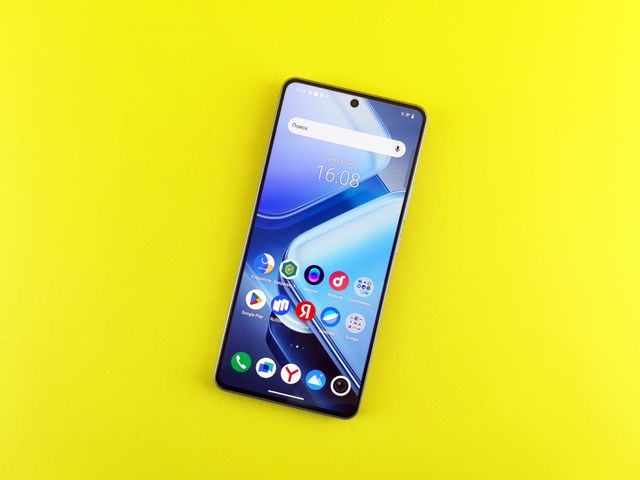
The iQOO Neo 9 Pro brings the Snapdragon 8 Gen 2 chipset and iQOO's Q1 Supercomputing chip to the mid-flagship segment. It pairs them with a 6.78-inch 144Hz LTPO AMOLED display and frame interpolation that can raise supported titles to 144fps.
A community report from May 2025 said BGMI was capped at 90 FPS, even with Monster Mode enabled and Smooth plus 120 FPS selected in the settings. Tests after the OriginOS 6 update showed that the fix had arrived. A dedicated FPS metre confirmed 120fps gameplay during matches, which puts this phone among the BGMI 120 FPS-supported devices once the software is up to date.
The 6K vapour chamber, iQOO's largest so far, covers nearly half of the phone's projected area. A dual-layer metal mesh improves heat transfer efficiency by 26%. The phone delivers about 6.2 hours of FPS gaming on a single charge. Its 5160mAh battery retains 80% health after 1,600 cycles, and 120W FlashCharge provides quick top-ups between raids.
iQOO's official store lists the 8GB+128GB Fiery Red model at ₹39,999. Earlier India pricing started at ₹35,999 for the 8GB+128GB model, ₹37,999 for the 8GB+256GB version, and ₹39,999 for the 12GB+256GB option.
The AnTuTu score exceeds 1.7 million, which is a strong result for this price range. The earlier frame-cap issue also shows that software updates matter for this 120 fps phone.
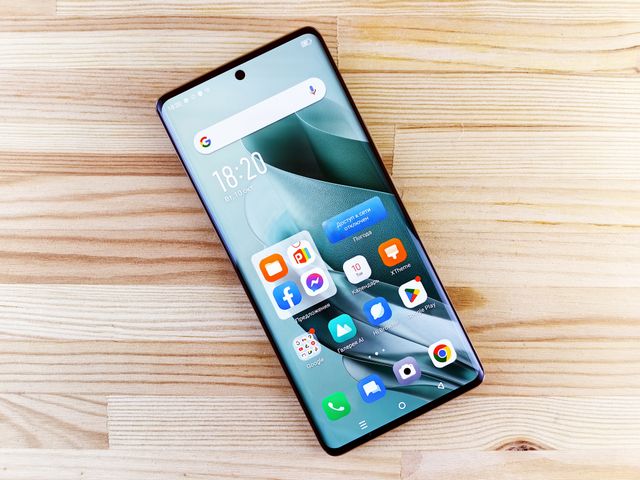
The iQOO Neo 10 avoids the troublesome launch-day bugs seen on its Neo 9 Pro sibling. Its Supercomputing Chip Q1 also makes a real difference in how BGMI performs on this 120 fps phone.
The 1.5K AMOLED panel runs at 144Hz. Once you enable Monster Mode and Esports Mode alongside Interpolation Mode, BGMI consistently reaches 144 FPS in stable TDM and Classic matches. Bullet registration and gyro response remained reliable in both match types.
A 7K Ultra VC cooling system covers 7000mm² and uses 9 temperature sensors to manage heat across a total cooling area of 27,000mm². Battery level fell by only 19% after an hour of continuous 144 FPS gameplay, although screen recording caused mild heating. The 7000mAh battery fully charges in 36 minutes with 120W FlashCharge.
iQOO prices the 12GB+256GB Alpine White variant at ₹48,999. Amazon lists the 8GB+256GB model at ₹43,999. Flipkart sells the 8GB+128GB unit for ₹32,990.
AnTuTu scores exceed 2.42 million. Some Amazon buyers, however, report touch lag and frame drops in BGMI.
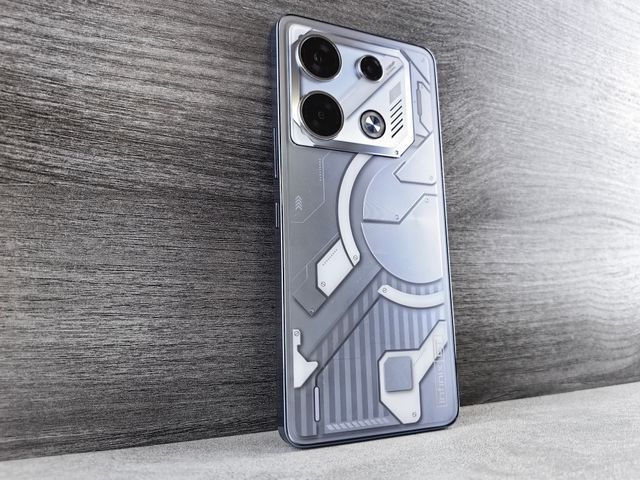
ASUS markets the ROG Phone 8 Pro as a dedicated gaming device, but my research found a clear gap between that claim and its actual BGMI performance for Indian buyers.
ASUS forums confirm that the hardware supports 120Hz, but each game developer must enable the setting before users can access it. One frustrated buyer, almost two years after purchasing the phone, found that BGMI does not show Extreme+ mode even after setting the display and X Mode to 165Hz. Krafton's support team also told another owner that 120fps support depends entirely on manufacturer approval, which ASUS reportedly has not provided for this model. The Korean PUBG Mobile version runs smoothly at 120fps on the same device, while BGMI remains capped. ASUS's general ROG guidance also states that curb mode reaches 120fps, while lobby screens cap at 90fps.
The GameCool 8 system features a 360° SoC Cooling Gen 2 design that improves thermal efficiency by 22%. The AeroActive Cooler X accessory adds a further 20% improvement and can reduce the back cover temperature by up to 36°C. Its 5500mAh equivalent battery lasts at least 3.4 hours under heavy gaming use, and 65W HyperCharge restores the battery in 39 minutes.
ASUS's estore lists the ROG Phone 8 Pro at ₹94,999, down from ₹1,00,999.
Reviewers describe it as a performance monster with an excellent display. One reviewer identified battery life as its only weak point, which creates a frustrating contradiction for buyers who want a 120fps BGMI phone.
This table compares the thirteen phones featured in our complete testing. We reviewed each device based on key gaming factors such as chipset performance, display specifications, native BGMI support, cooling capabilities, and Indian pricing. This side-by-side comparison can help you find the 120 FPS gaming phone that fits your budget and performance needs.
Choose a BGMI phone based on verified in-game support, sustained performance and price—not headline specifications alone.
My testing confirms that genuine BGMI 120 FPS performance relies on three factors working together: Krafton's certification, a capable chipset, and sensible cooling design. Phones such as the OnePlus 13, iQOO 13, and Realme GT 7 Pro deliver this balance reliably. However, handsets like the OnePlus 11 and ASUS ROG Phone 8 Pro show that strong hardware alone cannot enable Extreme+ mode without manufacturer approval. Indian gamers should match their budgets with the comparison table above instead of chasing specs blindly. Of course, software updates can change rankings, so check Krafton's latest supported list before buying. Happy fragging!
Supported options include the iPhone 15 Pro Max, Samsung Galaxy S24 Ultra, OnePlus 13, Xiaomi 14, iQOO 12 and iQOO 13. Check support for the exact model and current game version before buying.
The OnePlus 13 and iQOO 13 are strong choices, combining high frame rates with effective cooling. The iQOO 13 achieved 115–120 FPS even in crowded drop zones during testing.
Yes, 120 FPS makes gameplay look smoother, especially during fast movement. However, it uses more battery and can increase heat during longer sessions.
No. The phone also needs capable hardware and official game support. Models such as the OnePlus 11 and ASUS ROG Phone 8 Pro have high-refresh-rate screens but remain restricted in BGMI.
Update BGMI, then check the frame-rate options under Graphics settings. Look for a 120 FPS option, labelled Extreme+ or Ultra Extreme on supported devices; labels can vary by version.


50000+ - Devices Picked

0 Comments