


 Select your city
 Login
Login
 Select your city Login


 18 Mar 26
 by Shahid Iqbal
 0 Comments
Understanding how laptop depreciation works can help you avoid losing thousands of rupees on your device's resale value. Computers and laptops depreciate with every passing year as tangible assets. The law states that IT equipment depreciates over 3 years at a 33.33% rate annually. Timing your sale becomes significant for this reason. This piece explores the laptop depreciation rate in India and reveals how much value a laptop loses over time. It identifies the best time to sell an old laptop. You'll find practical strategies to maximise used laptop resale value in India and learn how to get the best price for your old laptop before it loses most of its worth.
Depreciation allocates the cost of a tangible asset over its useful life to reflect its decreasing value through use and obsolescence. Laptops use this accounting method to spread the upfront purchase cost across the expected years of use rather than recording the full expense right away. The main goal centres on matching the asset's cost to the revenue or productivity it generates over time.
Your laptop starts losing value the moment you begin using it. Physical wear from regular use impacts the device, and technological advancements render older models outdated. Laptops have a useful life ranging from 3 to 5 years, though performance can decline earlier in resource-heavy roles. Most businesses and finance teams calculate laptop depreciation at around 25% per year when using standard methods.
The straight-line method spreads your laptop's cost across its useful life. You subtract any expected salvage value from the purchase price and then divide by the useful years. A laptop purchased for ₹75,000 with zero salvage value and a 4-year life gives you an annual depreciation of ₹18,750. This approach produces clean and predictable numbers that simplify financial planning.
The declining balance method accelerates depreciation by applying a fixed percentage to the remaining book value each year. This method front-loads expenses and recognises that laptops lose value faster after purchase. Using a 40% rate on an ₹84,000 laptop results in ₹33,600 depreciation in year one and then ₹20,160 in year two. The double declining balance method doubles the straight-line rate and creates even more aggressive early-year deductions. Tax regulations prescribe specific approaches.
The declining balance method reflects economic reality more for IT assets that depreciate faster at first. Businesses benefit from higher tax deductions early when laptops deliver maximum productivity. But the straight-line method remains simpler for financial reporting and offers stability that investors prefer.
Laptops haemorrhage value with remarkable speed. Industry data shows standard consumer laptops depreciate by 50% annually, with an average erosion of around 25%. Laptops lose 20-30% of their value in the first year alone due to rapid hardware refresh cycles and declining resale demand.
The resale trajectory for a laptop in good condition unfolds as follows: A ₹84,000 laptop purchased today drops to roughly ₹63,000 after twelve months and then declines to around ₹42,000-₹50,000 by year two. It reaches around ₹25,000-₹34,000 by year three. Year four brings you to bargain-basement territory at ₹8,000-₹21,000 depending on specifications and brand reputation.
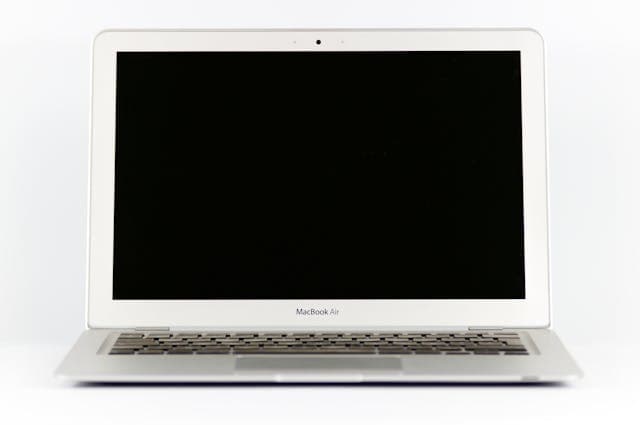
Brand provenance substantially influences these numbers. MacBooks experience just 17.1% depreciation during the first year, while a MacBook Air retains around 64% of its original value after three years. Some brands experience around 40% depreciation over two years, double the rate of premium alternatives. This disparity reflects market perception and resale demand dynamics rather than product quality alone.
Even unused laptops lose value over time due to battery degradation and outdated software. Frequent hardware updates and new operating systems make older models obsolete and further lower their resale value. Understanding how laptop depreciation works lets you make informed decisions about when to sell before the value drops too steeply.

Multiple variables determine the laptop depreciation rate in India and create substantial price differences between seemingly similar devices. These elements help you predict how much value a laptop loses over time and identify the best time to sell your old laptop.
Brand reputation creates substantial gaps in resale performance. Premium manufacturers like Apple, Dell XPS, and Lenovo ThinkPad maintain higher resale values owing to their recognised build quality and reliability. MacBooks demonstrate exceptional value retention and account for 36% of resale supply and 37% of refurbished sales despite their premium positioning. Windows-based laptops dominate the broader market at 64% of resale supply and 63% of refurbished sales.
The depreciation rate varies dramatically by brand tier. Premium devices lose approximately 20% annually, while budget laptops from lesser-known brands can shed up to 30% of their value each year. High-end models such as the MacBook Pro 2023, MacBook Air M3 2024, and Lenovo Yoga Slim 6i Series retain the highest resale values. This indicates that premium devices depreciate more slowly. Business-grade models like Lenovo ThinkPad E480 and HP EliteBook 830 G6 also command strong resale prices due to their durability and professional appeal.
Technical specifications fundamentally shape the resale value of used laptops in India. Processor generation, RAM capacity, storage type, and graphics capabilities create measurable price differences. Laptops equipped with Intel Core i7 or i9 processors, or AMD Ryzen 7 or 9 chips, command substantially higher prices than devices with older processors. RAM quantity matters equally. 16GB or more is becoming increasingly desirable for buyers seeking gaming capability or professional performance.
Storage technology creates another value divide. Laptops featuring solid-state drives consistently fetch higher prices than those with traditional hard disk drives. Gaming laptops with dedicated GPUs maintain their value better due to sustained need from gamers and content creators. Higher-end components essentially future-proof your device and extend the period before obsolescence reduces appeal.
Battery health directly influences the purchase offer you receive during resale. Buyers typically expect batteries to hold at least 70% of their original capacity. Lithium-ion batteries degrade through charge cycles. Most last between 300 and 1,000 cycles before performance declines noticeably. Battery health that drops to 80% means the device holds only 80% of its original charge capacity.
A degraded battery forces frequent charging sessions and reduces portability. This makes the device less enticing to potential buyers. Buyers factor in replacement expenses when they evaluate laptops with poor battery health, especially for models that just need expensive official replacements. Performance throttling occurs in some laptops when battery health deteriorates and creates additional concerns for buyers.
Software compatibility affects long-term value retention. Laptops capable of running current operating systems maintain better resale prices. Devices unable to support recent OS versions become less attractive as software developers stop supporting older platforms.
Manufacturer release cycles create predictable value drops. Existing versions experience swift depreciation when companies announce new laptop models. You can secure better prices by timing your sale just before these announcements. Market need fluctuates based on buyer segments. Gaming laptops, business notebooks, and student models experience different patterns throughout the year.
Your laptop's value follows a predictable downward trajectory that accelerates during certain periods. The moment you unbox a new laptop and power it on, its market value plummets by 30-40%. This instant depreciation represents the highest hidden cost that most buyers overlook when purchasing new devices.
The original twelve months inflict the steepest financial damage. Your device loses about 2% of its value each week. This creates a relentless erosion that compounds faster. Most laptops depreciate by 25-35% of their purchase price by the end of year one. This aggressive decline reflects how newer models enter the market and how buyer priorities change toward the latest-generation hardware.
Think about a laptop purchased for ₹60,000. After just one year, its resale value drops to around ₹45,000. Premium devices experience gentler depreciation at around 20% per year. In comparison, budget laptops from lesser-known manufacturers can shed up to 30% within the same period. Therefore, brand positioning influences a lot how much value a laptop loses over time during this critical first year.
The depreciation rate moderates but remains substantial. Laptops continue losing 15-25% of their value per year during years two and three. Your ₹60,000 laptop that dropped to ₹45,000 after year one will decline further to around ₹33,750 by the end of year two. This sustained erosion occurs as processor generations advance and software requirements increase. Older hardware becomes less desirable.
Understanding the laptop depreciation rate in India becomes essential for timing your sale based on these patterns. The two-year mark represents a pivotal decision point where devices still command reasonable prices but face accelerating obsolescence pressures.
Beyond three years, your laptop enters bargain territory. Most devices stabilise at around 10-15% of their purchase price after five years. This represents a value floor where budget-conscious buyers maintain steady demand. A three-year-old laptop fetches minimal returns, with the used laptop resale value in India dropping to levels that barely justify the effort of selling.
The best time to sell an old laptop has passed at this stage. Devices older than four years face challenging resale markets unless they carry premium brand names or exceptional specifications that remain relevant for current computing needs.
Selling your laptop at the right moment can mean the difference between recovering substantial value and accepting pennies on the rupee. Market dynamics, buyer demand cycles and manufacturer release schedules all meet to create distinct windows where you can maximise returns.
The two to three-year window represents the sweet spot for used laptop resale value in India. Your device retains sufficient performance capabilities during this period while still commanding respectable market prices. First-year devices attract premium buyers willing to pay near-original prices. In contrast, two to three-year-old laptops find the largest buyer pool among students and young professionals seeking value for money. These buyers prioritise recent specifications and longer remaining lifespans.
Selling within this timeframe allows you to capture value before the steep decline accelerates. Professionals upgrade their work laptops every 2-3 years, which creates a steady ecosystem of well-maintained devices that sustain market demand. This pattern reinforces why acting within the two-year mark delivers optimal financial outcomes for understanding how laptop depreciation works.
Laptops depreciate fastest after three years as hardware and software struggle to keep pace with current needs. The 3-4 year mark creates a challenging paradox: your device still balances depreciation with adequate functionality for many users, but market prices drop substantially. Devices older than four years face difficult resale conditions unless they carry premium brand names or exceptional specifications. So waiting beyond three years rarely justifies the effort required to sell.
Strategic timing around manufacturer announcements affects the best time to sell an old laptop substantially. Selling just before new model releases helps you secure better prices, as the market hasn't yet adjusted to incoming alternatives. On top of that, academic calendar cycles from June through August when students prepare for new semesters and festive seasons from October to December create demand spikes. Holiday periods generate increased laptop interest as buyers seek practical gifts, though waiting too long for the perfect moment can lead to further depreciation.
How you prepare your device before listing affects the best price you can get for your old laptop by a lot. Small actions compound into meaningful price improvements when you execute them with strategy.
Buyers value complete sets and view them as indicators of careful ownership. Gather your original charger, cables, box and documentation before listing. Complete packaging commands higher prices as buyers appreciate authenticity and completeness. Including original accessories prevents substantial price reductions even if your laptop has aged a year or two. Local market buyers especially reward complete packages with better offers.
Physical presentation creates immediate impressions. Use a microfiber cloth to clean the screen, chassis and keyboard. Apply appropriate cleaning agents for stubborn fingerprints, but not much of either. Clean ports with compressed air to remove accumulated debris. Simple cleaning and preparation can increase your laptop's value by 10-15%. Battery health above 80% becomes essential as buyers factor replacement costs into their offers.
Transfer important files to cloud storage services or external hard drives before you wipe drives. Perform a factory reset to remove personal information. Select the secure erase option that overwrites data with random patterns rather than a standard reset. Remove saved passwords from browsers and deauthorise all accounts associated with the device.
Compare prices on multiple online marketplaces and trade-in programs before you finalise your choice. Different platforms prioritise speed, convenience and price in different ways. Local electronics markets offer immediate assessment and payment, though negotiation becomes necessary.
Online valuation calculators provide instant price quotes based on brand, model, specifications and condition. Answer condition-related questions with honesty to receive realistic estimates matching current market trends. These tools give you pricing power before negotiations begin and help you understand how laptop depreciation works.
Understanding how laptop depreciation works enables you to make smarter financial decisions about your devices. Your laptop loses value quickly, especially during the first three years when depreciation accelerates the most. This steep decline makes timing your most powerful tool to preserve value.
The two to three-year window represents your optimal selling period before the depreciation cliff erodes most of your laptop's worth. Preparing your device properly and choosing the right selling platform maximises returns. Act within this timeframe and you'll recover substantial value rather than watch thousands of rupees evaporate through delayed decisions.
Understanding laptop depreciation patterns can save you thousands of rupees by timing your sale strategically before value plummets.
The key insight: Your laptop's value follows a predictable downward trajectory, but strategic timing and preparation can help you recover substantial money rather than watching thousands evaporate through delayed decisions.
When you sell a laptop that you've claimed depreciation on for business purposes, you may need to report depreciation recapture. This means part of your sale profit gets taxed as ordinary income to account for the tax benefits you previously received from depreciation deductions.
The straight-line method is most commonly used for laptops, where you spread the cost evenly over the device's useful life (typically 3-5 years). This results in approximately 25% annual depreciation. Alternatively, the declining balance method front-loads depreciation, which better reflects how laptops lose value faster in early years.
Laptops typically have a useful life of 3 to 5 years for depreciation purposes. However, most devices lose the majority of their resale value within the first three years, with minimal market value remaining after this period.
Laptops depreciate rapidly because they lose 30-40% of their value in the first year alone, followed by 15-20% annually thereafter. This steep decline happens due to constant hardware updates, new model releases, battery degradation, and quickly outdated specifications that make older devices less desirable to buyers.
Brand reputation, hardware specifications (processor generation, RAM, storage type), physical condition, and battery health are the primary factors. Premium brands like Apple and Lenovo ThinkPad retain value better, while laptops with current processors, SSDs, and batteries above 80% health command significantly higher resale prices.


50000+ - Devices Picked


0 Comments